
2 Week Vietnam Itinerary: The Best 14 Days from North to South
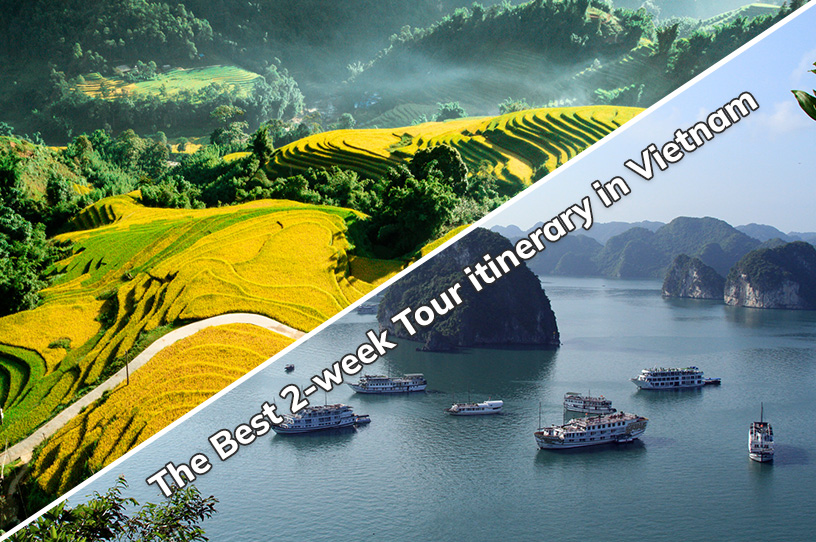
Vietnam is a diverse destination with ancient cities, spectacular mountains, UNESCO World Heritage sites, beautiful beaches, and vibrant modern cities. With two weeks in Vietnam, you have enough time to experience many of the country’s highlights while traveling from north to south.
This 2 week Vietnam itinerary is designed for first-time visitors who want to see some of Vietnam’s most famous destinations, including Hanoi, Sapa, Halong Bay, Hue, Hoi An, Ho Chi Minh City, and the Mekong Delta.
The itinerary is relatively active, but it offers a rewarding introduction to Vietnam’s landscapes, culture, history, and cuisine.
Quick Overview: 2 Weeks in Vietnam
Here is a quick look at this Vietnam 2 week itinerary:
- Day 1: Hanoi
- Day 2–4: Sapa
- Day 5–6: Halong Bay
- Day 7: Hue
- Day 8–10: Hoi An and Da Nang
- Day 11: Nha Trang
- Day 12–14: Ho Chi Minh City and Mekong Delta
This route takes you from Northern Vietnam to Central Vietnam and finally to Southern Vietnam, allowing you to experience several of the country’s most famous destinations in just 14 days.

Is 2 Weeks Enough to Visit Vietnam?
Two weeks is enough to experience many of Vietnam’s major highlights, although you will need to travel efficiently between destinations.
Vietnam is a long country, stretching more than 1,600 kilometers from north to south. For this reason, a 2 week itinerary in Vietnam usually combines overnight trains, domestic flights, and private transfers to save time.
With 14 days, you cannot see everything Vietnam has to offer. However, you can enjoy a well-rounded journey that includes:
- Historic cities and cultural attractions
- Mountain landscapes and ethnic minority communities
- A Halong Bay cruise
- Ancient towns and imperial heritage
- Beautiful beaches
- Modern cities
- The Mekong Delta
If this is your first trip to Vietnam, two weeks is an excellent amount of time for a comprehensive North-to-South journey.
Places to Visit During Your 2 Weeks in Vietnam
Before looking at the detailed itinerary, here are some of the destinations included in this 2 week Vietnam itinerary.
Hanoi – Vietnam’s Historic Capital
Hanoi is one of the best places to begin a journey through Vietnam. The city combines centuries of history with a lively modern atmosphere.
Most international visitors choose to stay around Hanoi’s Old Quarter and Hoan Kiem Lake, where they can easily explore traditional streets, local restaurants, markets, and cultural attractions.
Popular things to do in Hanoi include visiting the Temple of Literature, Ho Chi Minh Complex, Hanoi Old Quarter, and enjoying traditional Vietnamese street food.
Read more: 15 Top Tourist Attractions in Hanoi
Sapa – Mountains and Rice Terraces
Located in Northern Vietnam, Sapa is famous for its spectacular mountain scenery, rice terraces, and ethnic minority communities.
A visit to Sapa offers a completely different experience from Vietnam’s busy cities. Travelers can go trekking through villages, admire the rice terraces, and learn about the cultures of local ethnic groups.
Sapa is also home to Fansipan, the highest mountain in Vietnam.
Halong Bay – Vietnam’s Iconic Natural Wonder
A visit to Halong Bay is one of the highlights of many trips to Vietnam.
The bay is famous for thousands of limestone islands rising from emerald waters. One of the best ways to experience the scenery is by joining an overnight cruise.
During a cruise, travelers can enjoy activities such as kayaking, visiting caves, swimming, and watching the sunrise and sunset over the bay.
Read more: Top Attractions and Activities in Halong Bay
Hue and Hoi An – History and Culture in Central Vietnam
Central Vietnam is home to some of the country’s most important historical and cultural destinations.
Hue was once the imperial capital of Vietnam and is known for its ancient citadel, royal tombs, and traditional cuisine.
Further south, Hoi An offers a completely different atmosphere. Its well-preserved Ancient Town is famous for historic architecture, lantern-lit streets, local restaurants, and tailor shops.
Combining Hue and Hoi An allows travelers to experience two of the most culturally significant destinations in Vietnam.
Ho Chi Minh City – Vietnam’s Most Vibrant Metropolis
Ho Chi Minh City is the largest and one of the most energetic cities in Vietnam.
The city offers a fascinating combination of colonial architecture, modern skyscrapers, museums, local markets, and excellent food.
Visitors can explore historic attractions, enjoy the city’s nightlife, or take day trips to destinations such as the Cu Chi Tunnels and Mekong Delta.
Read more: 9 Top Tourist Attractions in Ho Chi Minh City
Mekong Delta – Life Along Vietnam’s Rivers
The Mekong Delta offers a glimpse into a different side of Vietnam.
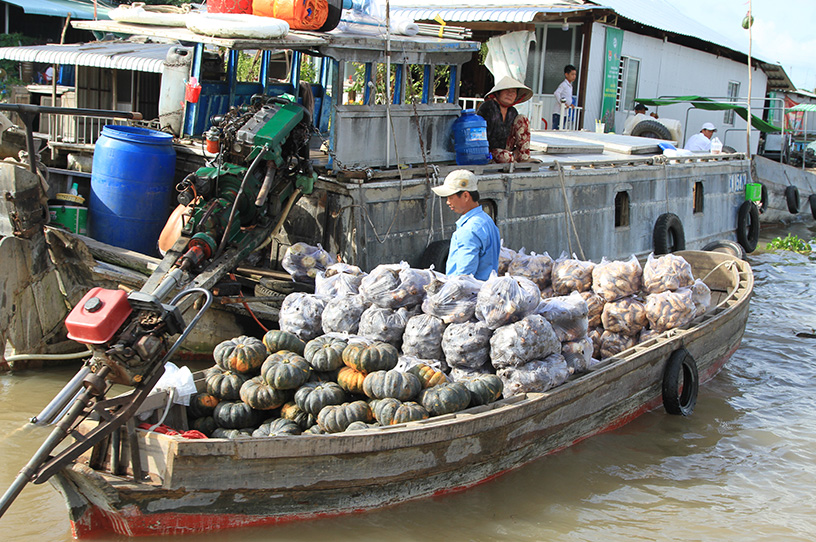
This vast region is known for its rivers, canals, fruit orchards, traditional villages, and agricultural lifestyle. A visit to the Mekong Delta provides an opportunity to explore rural Vietnam by boat and learn more about the region’s connection with the Mekong River.
Depending on your itinerary, you can visit destinations such as Ben Tre, Can Tho, or Cai Rang Floating Market.
The Best 2 Week Vietnam Itinerary
Day 1: Arrive in Hanoi
Arrive in Hanoi and transfer to your hotel.
Depending on your arrival time, spend the rest of the day relaxing or exploring the Old Quarter. A walk around Hoan Kiem Lake is a great introduction to the city.
In the evening, you can enjoy Vietnamese street food or watch a traditional water puppet performance.
Overnight in Hanoi.
Day 2: Hanoi to Sapa
After breakfast, travel from Hanoi to Sapa.
Depending on your preferred travel arrangements, you can travel by limousine bus, private transfer, or train via Lao Cai.
After arriving in Sapa, check in to your hotel and spend some time exploring the town and enjoying the mountain scenery.
Overnight in Sapa.
Day 3: Sapa Trekking
Spend the day exploring Sapa’s beautiful countryside.
A typical trekking experience takes you through rice terraces and ethnic minority villages, where you can learn more about the local cultures and traditional way of life.
The exact route can be adjusted according to your fitness level and interests.
Overnight in Sapa.

Day 4: Fansipan and Return Toward Hanoi
Today, visit Fansipan Mountain, often referred to as the “Roof of Indochina.”
The modern cable car offers spectacular views of the surrounding mountains and valleys.
After your visit, travel back toward Hanoi or Lao Cai, depending on your transportation arrangements for the following day.
Overnight in Hanoi or on an overnight train, depending on your itinerary.
Day 5: Hanoi to Halong Bay
Leave Hanoi in the morning and travel to Halong Bay.
Board your cruise around midday and begin your journey through the spectacular limestone landscapes of the bay.
Most overnight cruises include activities such as cave visits, kayaking, swimming, cooking demonstrations, and sunset viewing.
Overnight on board.
Day 6: Halong Bay to Hanoi – Fly to Hue
Wake up early to enjoy the peaceful scenery of Halong Bay.
After breakfast and morning activities, return to the harbor and travel back to Hanoi.
From Hanoi, take a domestic flight to Hue.
Overnight in Hue.
Day 7: Explore Hue
Spend the day discovering Hue’s imperial heritage.
Visit the Imperial City, royal tombs, pagodas, and other important historical landmarks.
Hue is also well known for its distinctive cuisine, so this is a great opportunity to try some local specialties.
Overnight in Hue.
Day 8: Hue to Da Nang and Hoi An
Travel from Hue to Hoi An via Da Nang.
Depending on your interests and timing, you may visit Ba Na Hills and the Golden Bridge or travel directly through the scenic Hai Van Pass.
Arrive in Hoi An and enjoy an evening walk through the lantern-lit Ancient Town.
Overnight in Hoi An.
Day 9: Explore Hoi An
Spend the day exploring Hoi An.
You can join a cooking class, cycle through the countryside, visit local villages, or simply explore the historic streets of the Ancient Town.
Hoi An is also a great destination for relaxing and enjoying Vietnamese cuisine.
Overnight in Hoi An.
Day 10: My Son Sanctuary and Fly to Nha Trang
In the morning, visit My Son Sanctuary, an ancient Hindu temple complex surrounded by lush mountains.
After the visit, return to Da Nang and take a domestic flight to Nha Trang.
Overnight in Nha Trang.
Day 11: Relax in Nha Trang
After several busy travel days, take some time to relax.
Enjoy the beach, visit nearby islands, or take part in water activities.
Alternatively, travelers who prefer sightseeing can explore some of Nha Trang’s cultural attractions.
Overnight in Nha Trang.
Day 12: Fly to Ho Chi Minh City
Take a domestic flight from Nha Trang to Ho Chi Minh City.
After checking in to your hotel, explore some of the city’s major attractions, such as the Central Post Office, Notre-Dame Cathedral area, and nearby historic landmarks.
In the evening, enjoy the city’s restaurants, rooftop bars, or lively nightlife.
Overnight in Ho Chi Minh City.
Day 13: Mekong Delta Day Trip
Take a full-day trip to the Mekong Delta.
Travel by boat along the region’s rivers and canals, visit local villages, and learn about traditional agricultural life.
Depending on the route, you may have the opportunity to visit fruit orchards, coconut workshops, or local markets.
Return to Ho Chi Minh City in the evening.
Overnight in Ho Chi Minh City.
Day 14: Ho Chi Minh City Departure
Enjoy breakfast at your hotel before transferring to the airport for your departure flight.
Your 2 week Vietnam itinerary comes to an end.

How Much Does a 2 Week Trip to Vietnam Cost?
The cost of traveling in Vietnam for two weeks depends on your travel style, accommodation preferences, transportation, and whether you travel independently or join a private tour.
For a private Vietnam tour with a guide, private transportation, domestic flights, activities, and 3-star or higher accommodation, travelers can generally expect to spend more than a budget independent trip.
Your total cost may include:
- International and domestic flights
- Accommodation
- Airport transfers
- Private transportation
- Tour guides
- Entrance fees
- Halong Bay cruise
- Meals
- Activities and excursions
For a more detailed breakdown, see: Expenses for Your Vietnam Trip
Do You Need a Visa for 2 Weeks in Vietnam?
Whether you need a visa to visit Vietnam depends on your nationality and passport.
Some nationalities may be eligible for visa exemption, while others may need to apply for a Vietnam e-visa before traveling.
Visa regulations can change, so travelers should always check the latest requirements before booking their trip. For more details, visit: Vietnam Visa Exemption 2026–2028
What to Pack for 2 Weeks in Vietnam
Vietnam has different weather conditions depending on the region and season. Northern Vietnam can experience cool winters, while Central and Southern Vietnam are generally warmer.
For a two-week trip, consider packing:
- Passport and other travel documents
- Visa documents, if required
- Comfortable walking shoes
- Light and breathable clothing
- A light jacket or warm layer for Northern Vietnam
- Swimwear for beaches and cruises
- Sunglasses and sunscreen
- Personal medication
- Universal travel adapter
- Phone charger and power bank
Read more: List of Essentials to Bring When Traveling Abroad

Is This 2 Week Vietnam Itinerary Too Busy?
This itinerary covers many destinations in a relatively short period of time, so it is best suited to travelers who want to experience as much of Vietnam as possible.
If you prefer a slower journey, you could consider removing one destination, such as Sapa or Nha Trang.
For example, a more relaxed 2 week Vietnam itinerary could focus on:
Hanoi → Halong Bay → Hue → Hoi An → Ho Chi Minh City → Mekong Delta
This allows you to spend more time in each destination and reduces the number of domestic flights and long transfers.
Best Vietnam Tour Packages for 2 Weeks
We have created several Vietnam tour packages designed for travelers who have around two weeks to explore the country.
However, every traveler has different interests, travel styles, and budgets. Our Vietnam tours can be customized to match your preferred destinations and travel pace.
Popular options include:
Conclusion
A 2 week Vietnam itinerary offers enough time to experience many of the country’s most famous destinations, from the mountains of Sapa and the limestone landscapes of Halong Bay to the historic towns of Central Vietnam and the vibrant streets of Ho Chi Minh City.
While this 14-day route is relatively active, it provides a comprehensive introduction to Vietnam’s culture, history, landscapes, and cuisine.
If you prefer a slower pace, your itinerary can easily be customized by spending more time in fewer destinations.
Planning your trip to Vietnam? Contact SVietnam Travel to create a personalized 2 week Vietnam itinerary based on your interests, travel dates, and budget.


